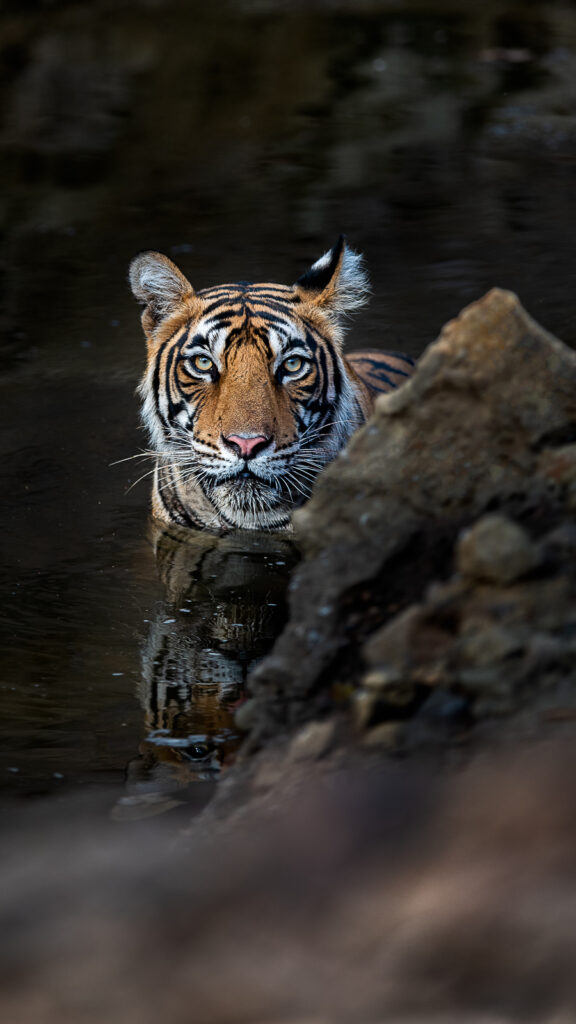
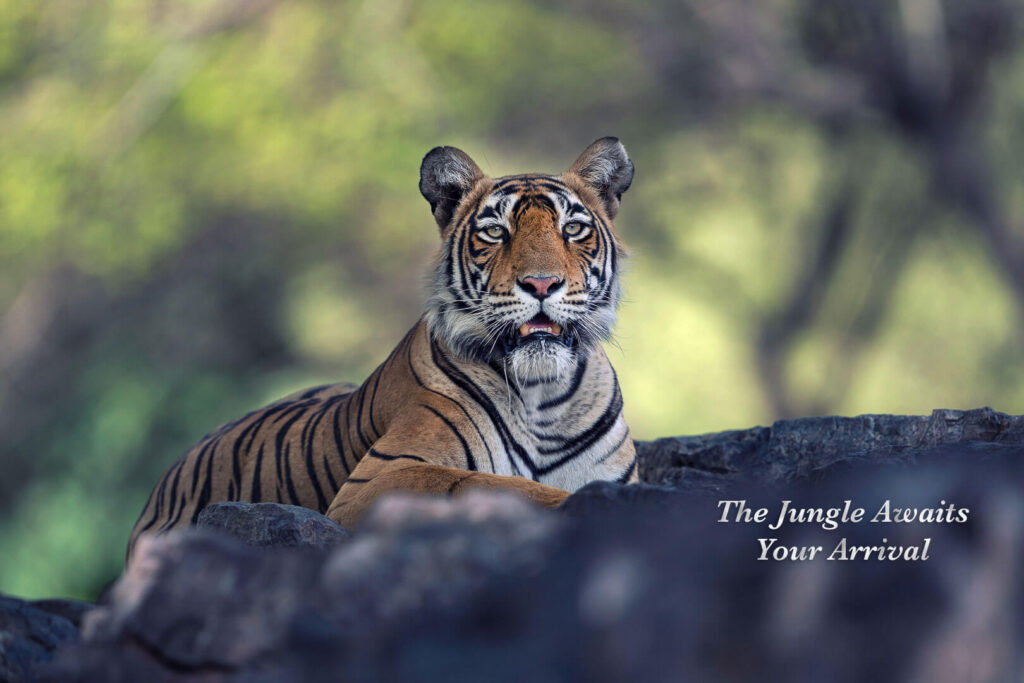
RANTHAMBORE NATIONAL PARK – Rajasthan, India
Ranthambore National Park, located in the state of Rajasthan, India, is one of the country’s most renowned tiger reserves and a haven for wildlife enthusiasts and photographers. The park is surrounded by the ancient Ranthambore Fort, adding a historical and majestic charm to its wilderness.
Ranthambhore features a dry-deciduous forest, characterized by sparse undergrowth and shedding of leaves by most trees during the dry season. Among all the tiger reserves in India, Ranthambhore receives the least amount of rainfall, resulting in limited areas with tall grasses. Furthermore, the park boasts a well-developed network of forest tracks. Together, these factors create ideal conditions for exceptional tiger sightings.
With minimal undergrowth and scarce tall grass patches, Ranthambhore offers excellent visibility, making it ideal for wildlife photography. The well-established network of forest tracks further enhances the ability to track animals from vehicles, resulting in significantly higher photo opportunities compared to other national parks.
Ranthambhore is partitioned into 10 distinct zones, each of which is inhabited by tigers. Among them, Zones 1 to 5 are considered premium zones due to their higher sighting probability, strategic geographical locations, and abundance of water sources. These premium zones are in high demand among visitors. On the other hand, Zones 6 to 10 are classified as buffer zones, situated closer to villages. These buffer zones experience more human interference, such as cattle grazing and other disturbances, which can affect wildlife sightings to some extent.
Being centrally located in Rajasthan and highly popular, Ranthambhore can get crowded during peak tourist seasons. Yet, if you can see beyond the occasional crowded sightings, you’ll discover a truly unique experience unlike any other. This captivating destination is the realm of tigers, offering an intoxicating blend of nature, history, and wildlife that leaves visitors enthralled.
How to reach Ranthambore National Park
Ranthambore is exceptionally well-connected by road to major cities and towns in Rajasthan and neighboring states, making it one of the most accessible national parks for a tiger safari tour. Depending on your starting point, you have various transportation options to reach Ranthambore National Park.
Thanks to the recently constructed Delhi-Mumbai Expressway, the journey from Delhi Airport to Ranthambore now takes approximately 3.30 to 4 hours by road, offering a convenient route for travelers.
For those exploring Rajasthan and including Ranthambore National Park in their itinerary, the most favorable option is taking a train to the city of Sawai Madhopur, which is a mere 10 minutes away from Ranthambhore. This proximity makes it an excellent entry point for your adventurous journey into the park.
Best Time to Visit
The best time to visit Ranthambore National Park is from October to June. During this period, the park remains open for tourism. The park is closed to visitors during the monsoon season from July to September due to heavy rainfall.
During autumn (October to mid-November), as the national parks reopen after the monsoon season, the lush greenery and abundant water sources create a vibrant backdrop for wildlife enthusiasts. During the monsoon season, heavy rains wash away territorial markings, allowing young tigers to explore areas freely. As parks reopen, tigers are observed marking territories, providing excellent photo opportunities.
Winter, from mid-November to mid-February, is considered prime time for wildlife photography. Misty morning sunrises and frosty landscapes create an ethereal setting. The soft and warm winter lighting enhances natural colors, resulting in captivating photographs. Tracking tigers in their vast territories is exhilarating during this season, as their footprints leave clear trails on the safari tracks.
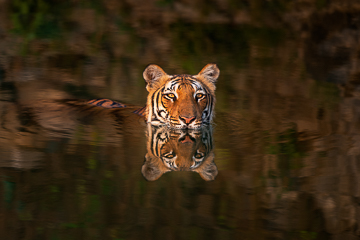
The Indian Summer (mid-March to June) offers abundant tiger sightings, as animals seek relief at remaining waterholes in the dry landscapes. March and April are preferred for relatively bearable temperatures and frequent tiger sightings. May and June are an excellent time for spotting elusive and secretive tigers, especially the shy male tigers with larger territories. Despite their shyness, their need for water and relief from the heat brings them out into more open areas, offering a great opportunity for relaxed and open sightings and photography.
Whether in autumn, winter, or the Indian Summer, Ranthambhore promises awe-inspiring encounters with its majestic tigers, leaving you with unforgettable memories and stunning photographs.
Popular Fauna
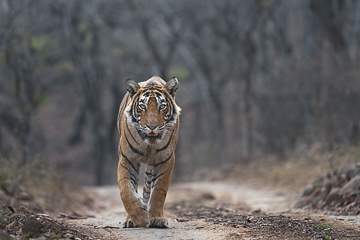
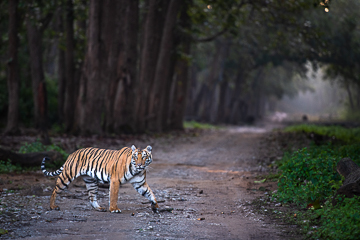
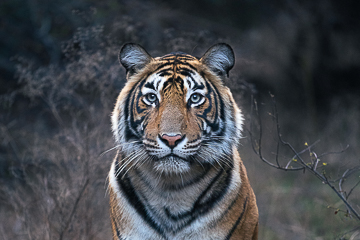
The highlight of Ranthambore National Park is its thriving population of Bengal tigers. The park is renowned for offering excellent opportunities to spot these majestic predators in their natural habitat. Apart from tigers, Ranthambore is also home to a diverse range of wildlife, including leopards, sloth bears, sambar deer, chital (spotted deer), wild boars, and Indian gazelles, among others. The park is also a birdwatcher’s paradise, with over 270 species of resident and migratory birds, making it a year-round destination for bird photography enthusiasts.
Accommodation Options
Ranthambore offers a variety of accommodation options ranging from luxury resorts to budget-friendly lodges. Visitors can choose to stay in safari lodges located near the park entrance, providing easy access to the morning and evening safaris.
Take a look at our handpicked recommendations:
Oberoi Vanyavilas (5 star lodging): A luxury resort located close to the park’s entrance, offering luxurious tents and top-notch amenities.
Taj Sawai Madhopur Lodge (5 star lodging): Another luxury option with a historical touch, set amidst lush greenery.
Nahargarh Ranthambhore (4 star lodging): A beautiful property with a royal ambiance and modern comforts.
The Tigress (4 star lodging): A well-appointed resort with modern facilities and a relaxing ambiance.
Ranthambore Regency (3 star lodging): At Ranthambore Regency, you’ll find cozy rooms, a refreshing swimming pool, and a rejuvenating spa, all accompanied by a delightful array of delectable cuisines served at the on-site restaurant. The hospitality and attention to detail from each staff member is truly remarkable, making you feel right at home. The team’s enthusiasm is infectious, and you can connect with fellow tiger enthusiasts for some friendly moments. The spacious and well-equipped rooms add to the overall comfort of your stay.
Climate
Ranthambore experiences a semi-arid climate with varying temperatures throughout the year:
October: 25°C to 35°C
November: 20°C to 30°C
December: 12°C to 23°C
January: 10°C to 20°C
February: 15°C to 27°C
March: 22°C to 35°C
April: 28°C to 42°C
May: 32°C to 46°C
June: 30°C to 44°C
The winter months from October to February are cool and pleasant. The summer months from March to June are hot and dry. The monsoon season from July to September brings moderate to heavy rainfall and as a result, the park remains closed for visitors.
safaris
Explore our range of exciting tours that will take you to Ranthambore National Park

ENQUIRE NOW
ENQUIRE NOW
Which of these captivating tiger safari tours has piqued your interest? Simply fill out the enquiry form below, and we’ll promptly get back to you with the ideal safari package tailored to your preferences.