BANDHAVGARH NATIONAL PARK – CENTRAL INDIA
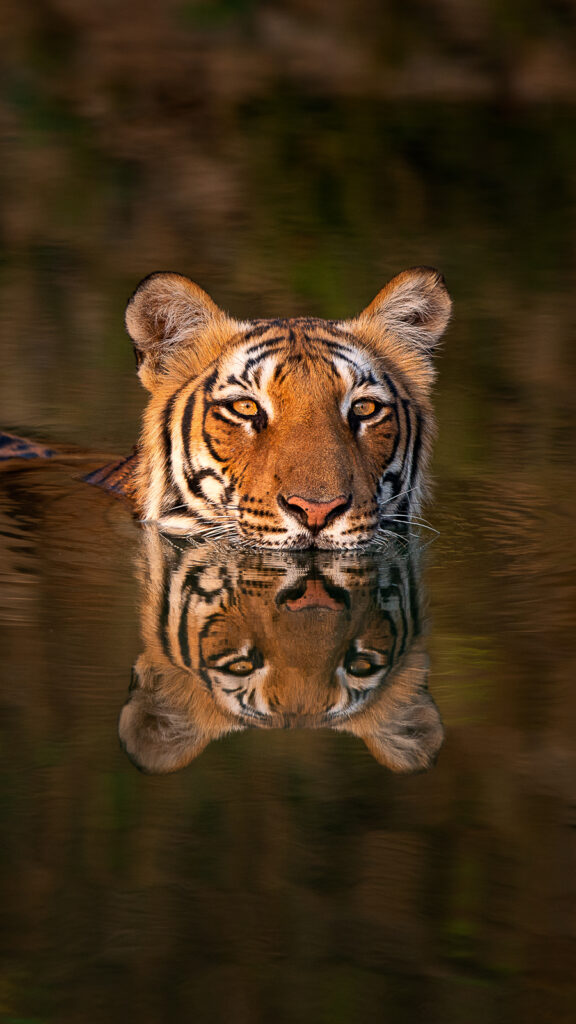
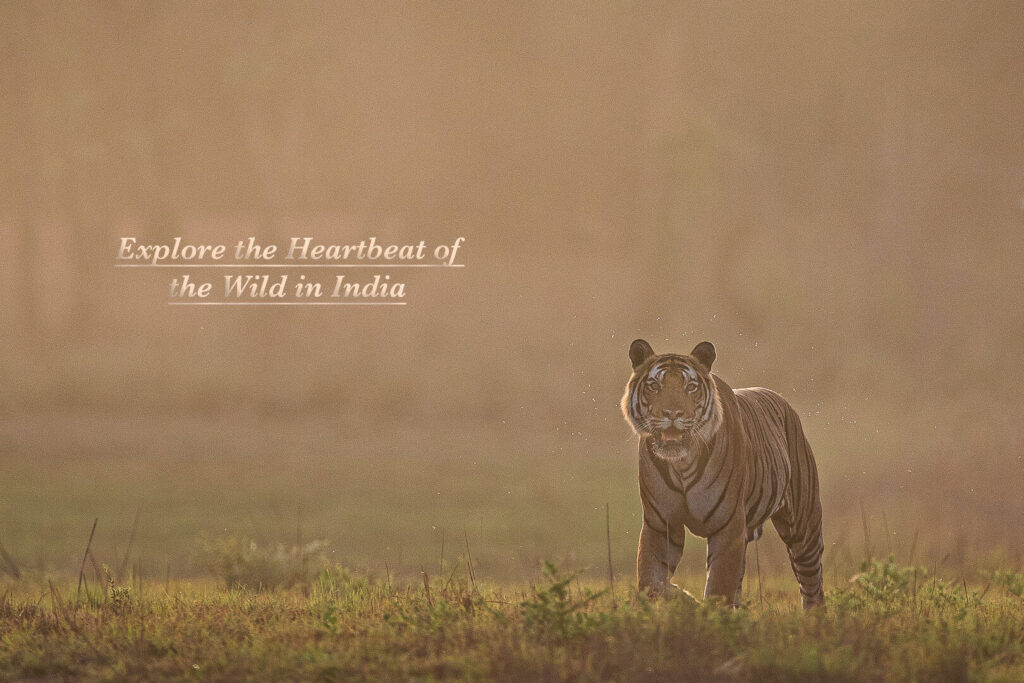
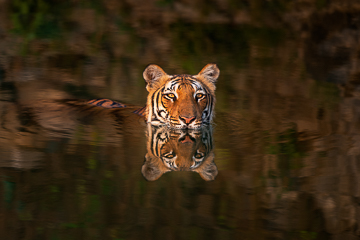
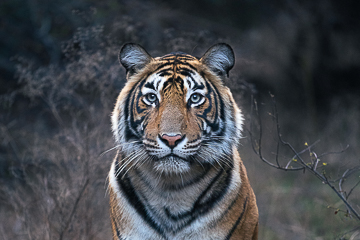
Bandhavgarh National Park stands as one of India’s top-tier tiger reserves, offering unparalleled opportunities to witness and capture the majestic Bengal Tiger in its wild habitat. Situated in central India, Bandhavgarh’s habitat features beautiful Sal and bamboo forests, rolling hills, expansive grasslands, and perennial streams. Bandhavgarh boasts the highest tiger density in India and is rightfully known as the tiger capital of the world, making it one of the best places to spot tigers while exuding an old-world charm.
Nestled in the picturesque Vindhya Hills of Madhya Pradesh, Bandhavgarh National Park is not only renowned for its tiger population but also holds significant historical and cultural importance. The name “Bandhavgarh” translates to “Brother’s Fort,” derived from the ancient fort that sits atop a prominent hill within the park, believed to have been given by Lord Rama to his brother Lakshmana. The parks has twelve natural waterholes, along with historical monuments and ancient caves, bearing witness to its rich two-thousand-year history.
For those with a passion for wildlife photography, Bandhavgarh is a haven. Capture breathtaking moments as tigers gracefully prowl. The park’s rich biodiversity and varied landscapes provide a canvas for photographers to tell stories through their lenses. The park’s lush forests and rugged terrain provide a picturesque backdrop, creating the perfect setting for wildlife photography enthusiasts to showcase their skills.
Besides the Bengal Tigers, Bandhavgarh is home to a diverse array of wildlife, including Asian wild elephants, leopards, spotted deer, sambar deer, barking deer, wild boars, Indian bison (gaur), langur monkeys, and various bird species, making it an ideal destination for nature enthusiasts and wildlife photographers.
Discovering the Diverse Safari Zones of Bandhavgarh National Park
Bandhavgarh National Park is divided into three major zones for tourism, also known as core zones: Tala Zone, Magdhi Zone, and Khitauli Zone. Each zone offers unique wildlife experiences and tiger sightings.
The Tala Zone is undoubtedly the most beautiful and picturesque safari zone in Bandhavgarh National Park. The terrain in the Tala Zone is diverse, ranging from hilly and rocky landscapes to dense sal forests, along with stunning meadows that add to its charm. This zone is home to several prominent landmarks, such as Siddha Baba, Chakradhara grasslands, Sita Mandap (characterized by rocky hills with deep gorges), Banbehi, Damnar (with its perennial stream and dense sal forest), and Rajbhera (picturesque meadows). Additionally, it features historical landmarks like the Bandhavgarh Fort (currently closed for tourism) and Shesh-Shaiya, a 10th-century monolith idol of Lord Vishnu in a sleeping posture on a seven-hooded serpent (open for tourism).
In the past, the Tala Zone was renowned for its exceptional tiger sightings, with multiple tiger families residing in different areas. However, from 2012 onwards, the number of tiger sightings started to decline due to territorial disputes among young males. The period from 2013 to 2021 witnessed a significant decline in tiger sightings, as females spent more time outside the park’s core zone, raising their cubs and encountering conflicts with villagers due to livestock predation.
Thankfully, from 2022, the situation has shown signs of improvement, with one dominant male (Bajrang) permanently settling in the Tala Zone. As a result, new tiger families have started spending more time inside the core zone, exhibiting a relaxed demeanor. This gives hope for the resurgence of the Tala Zone, and in the coming seasons, we may witness its return to its former glory as one of the best zones for tiger sightings in Bandhavgarh National Park.
Magdhi Zone, fondly known as Bandhavgarh’s Winter Wonderland holds a unique charm as some of its bold tigers are known to roam freely on the safari tracks during the winter season. With a diverse landscape comprising meadows, grasslands, bamboo thickets, and sal forests, this zone is a paradise for tiger sightings in the winter season.
In recent years, Magdhi has emerged as the top zone in Bandhavgarh, boasting a high density of tigers and providing visitors with extraordinary wildlife encounters. Its well-structured road network facilitates tracking tiger movements, making it easier to spot these majestic cats.
Among all the zones, Magdhi holds the distinction of being one of the largest safari areas. However, its size poses a challenge in adequately covering the zone during the shorter evening safaris (3 hours compared to the 5-hour morning safaris). So to make the most of the experience, it is recommended to opt for a morning safari in Magdhi, allowing ample time to explore its expansive beauty and to immerse yourself in the splendor of its vast wilderness.
Khitauli Zone, often referred to as the “Zone of Summer,” is renowned for its frequent tiger sightings during the hot summer months when water sources become scarce, leaving only a few vital watering holes and ponds as designated cool spots for tigers to seek respite from the scorching heat. The landscape of this zone is dominated by bamboo thickets, interspersed with meadows and patches of sal forest. Apart from tigers, Khitauli offers excellent opportunities to encounter other fascinating wildlife, including Asian elephants, wild dogs (dholes), jackals, nilgai, and a plethora of migratory summer birds such as the Asian paradise flycatcher, Indian pitta, golden oriole, common hawk cuckoo, Blue-cheeked Bee Eater and and fascinating owls like the brown fish owl.
Buffer Zones of Bandhavgarh
Contrary to a popular myth, tigers are not exclusively sighted in the core zones of the park. Being territorial creatures, not every tiger has the opportunity to claim a prime location within the park. Sub-adult tigers typically start establishing their own territories around the age of 2-3 years, and often they have to settle for areas in the buffer or territorial forests.
Bandhavgarh has three buffer zones:
Dhamokhar Buffer – An extension of the Magadhi zone
Johila Buffer – An extension of the Tala zone
Panpatha (Pachpedi) Buffer – An extension of the Khitauli zone
Johila Buffer – An extension of the Tala zone
Panpatha (Pachpedi) Buffer – An extension of the Khitauli zone
These buffer zones are important extensions of the main core zones and offer additional opportunities for tiger sightings and wildlife encounters.
How to reach Bandhavgarh National Park
Bandhavgarh, known as the heartbeat of India, being situated in the heartland of the country (Central India). It is easily accessible from major cities of India, making it a popular destination for wildlife enthusiasts. You can reach Bandhavgarh through the following means:
By Air:
For those planning to reach Bandhavgarh by air, the Jabalpur airport (170 kms) and Khajuraho airport (240 kms) are the most convenient choices. Both airports receive daily flights from national carriers. Once you land at Jabalpur, it’s just a 3.30 hour drive to reach Bandhavgarh, while from Khajuraho, it takes approximately 5 hours.
By Train:
Travelers can also opt for the train journey to reach Bandhavgarh. The Umaria station (35 kms), Katni station (100 kms), and Jabalpur station (170 kms) are well-connected railway points for accessing the park. These stations have regular train services connecting various parts of the country, making it a convenient and popular mode of transportation for many visitors.
Best Time to Visit
Bandhavgarh National Park remains open for tourism from October to June. The park is closed to visitors during the monsoon season from July to September due to heavy rainfall.
During autumn (October to mid-November), as the national parks reopen after the monsoon season, the lush greenery and abundant water sources create a vibrant backdrop for wildlife enthusiasts. During the monsoon season, heavy rains wash away territorial markings, allowing young tigers to explore areas freely. As parks reopen, tigers are observed marking territories, providing excellent photo opportunities.
Winter, from mid-November to mid-February, is considered prime time for wildlife photography. Misty morning sunrises and frosty landscapes create an ethereal setting. The soft and warm winter lighting enhances natural colors, resulting in captivating photographs. Tracking tigers in their vast territories is exhilarating during this season, as their footprints leave clear trails on the safari tracks.
The Indian Summer (mid-March to June) offers abundant tiger sightings, as animals seek relief at remaining waterholes in the dry landscapes. March and April are preferred for relatively bearable temperatures and frequent tiger sightings. May and June are an excellent time for spotting elusive and secretive tigers, especially the shy male tigers with larger territories. Despite their shyness, their need for water and relief from the heat brings them out into the last remaining watering holes and ponds, offering a great opportunity for relaxed and open sightings and photography.
Whether in autumn, winter, or the Indian Summer, Bandhavgarh promises awe-inspiring encounters with its majestic tigers, leaving you with unforgettable memories and stunning photographs.
Types of Safaris in Bandhavgarh National Park
In Bandhavgarh, there are two types of jeep safaris available:
-
Regular Safari Drives: These safaris are zone-specific morning and evening drives and are conducted in pre-booked safari zones such as Tala, Magdhi, or Khitauli. To participate in these drives, you must have obtained an advance booking permit for the specific zone.
The morning safari begins just before sunrise and typically lasts for about 5 to 5.30 hours, while the afternoon safari, also known as the evening safari, starts in the late afternoon and continues until sunset, lasting for about 3 to 3.30 hours.
In the park’s 3 core zones, regular safari drives are conducted on all days except Wednesday evenings, which is observed as a weekly off. However, you have the option to book a Wednesday evening safari in one of the buffer zones of the park, as these zones remain open for safaris on all days.
-
Full-Day Zone-Free Safari Drives: Full-day safaris are special permission safaris that allow you to stay in the park from sunrise to sunset without any zone restrictions, maximizing your chances of spotting wildlife. These safaris are ideal for serious wildlife enthusiasts and photographers who want to fully immerse themselves in the wilderness. Opting for a full-day safari, particularly during the winter season, holds numerous potential advantages and benefits.
-
Exclusive Tiger Encounters: During the winter, tigers exhibit an extended period of activity following a specific cycle. As we enter the park at dawn, they are highly active, and this behavior continues for a couple of hours. However, as the day progresses, they tend to become fatigued from their movements and seek rest. The unique advantage of full-day safari vehicles becomes evident when regular safari vehicles exit the park. With the cooler temperatures of winter, the tigers regain their energy and become active once more. The cooler winter temperatures enable them to move freely without the risk of overheating, offering an additional advantage for full-day safari vehicles to witness exclusive tiger encounters in the absence of other vehicles.
-
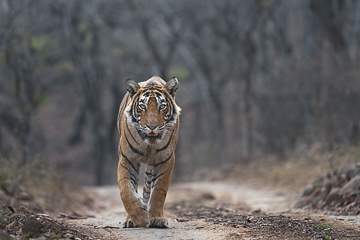
Head-On Sightings: Tigers often prefer walking on the safari tracks, which offer a comfortable pathway covered in soft sand and free from thorns, rocks, and dried leaves. When these tracks are free of jeeps, especially after regular safari vehicles have left the park, tigers tend to roam long distances along these pathways. This provides exclusive and thrilling encounters for visitors on full-day safaris. These sightings are known as head-on sightings and are considered the holy grail of tiger experiences. You get an unobstructed view of the majestic predator as it walks freely towards your vehicle, displaying a range of natural behaviors. From marking its territory along the way to spray marking on prominent landmarks such as trees and rocks, sniffing various spots for intruders, and exhibiting the flehmen response – these encounters offer a captivating insight into the tiger’s world.
-
Tiger Family Activities: A full-day safari is especially advantageous when there is a tiger family with young cubs. The small cubs are naturally wary of safari vehicles, and when there are too many vehicles around, they tend to hide in tall grass for safety. However, once all the regular safari vehicles have departed from the park, and only one or two full-day safari vehicles remain, the mother tiger feels more at ease. She can then confidently guide her cubs to the nearest watering hole for a drink or lead them to a kill she has stashed somewhere. At times, the curious cubs may even explore short distances on their own while the mother is away on a hunt. This unique opportunity allows full day safari visitors to witness the heart-warming interactions and activities of a tiger family up close.
-
Extended Entry Exit Time: Lastly, full-day safari vehicles enjoy the advantage of entering the park 15 minutes earlier and staying 15 minutes later than regular safari vehicles during the prime movement time of tigers. This extended duration provides an exceptional opportunity to witness the captivating behavior of tigers during their most active time, making the full-day safari an even more rewarding experience.
To experience a Full day safari, you can request permission by writing to the park director, provided no one else has already obtained it for your desired dates. The park usually grants permission to only 2 or 3 vehicles each day, so it’s advisable to request this permission well in advance and pay for the permits for your preferred dates. Please note that full day safaris are not conducted on Wednesdays, as it’s a weekly full day safari off in all the central Indian parks.
Popular Fauna
The highlight of Bandhavgarh National Park is its thriving population of Bengal tigers. The park is renowned for offering excellent opportunities to spot these majestic predators in their natural habitat. Apart from tigers, Bandhavgarh is also home to a diverse range of wildlife, including leopards, sloth bears, Asian elephants, wild dogs, sambar deer, chital (spotted deer), wild boars, and Indian gazelles, among others. The park is also a birdwatcher’s paradise, with over 250 species of resident and migratory birds, making it a year-round destination for bird photography enthusiasts.
Accommodation Options
A plethora of lodging options awaits you near Bandhavgarh National Park. Whether you desire opulence in a resort or a comfortable retreat, you’ll discover a diverse range of choices to accommodate your desires. See our expertly selected recommendations:
Taj Mahua Kothi (5-star lodging) is a luxurious wildlife safari lodge situated near the renowned Bandhavgarh National Park in India. Set amidst the lush greenery and natural beauty of the region, Mahua Kothi offers a tranquil and rejuvenating experience for guests. The lodge features well-appointed cottages with modern amenities and traditional touches, providing a perfect blend of comfort and elegance. With its close proximity to the main park gate, Mahua Kothi is an ideal retreat for wildlife enthusiasts seeking an authentic and immersive jungle experience.
Kings Lodge Bandhavgarh (4-star lodging) is a thoughtfully designed lodge that prioritizes environmental sensitivity and seamlessly blends with its natural surroundings. The architecture maximizes natural light in all areas and showcases local art and craftsmanship, highlighting the rich cultural heritage of the region. Constructed with the help of local workforce, the lodge exudes a rustic charm while offering deluxe accommodations with fine cotton furnishings and handcrafted furniture. Nestled within a 32-acre forested estate, Kings Lodge overlooks serene Sal forested hills on both sides, providing guests with a picturesque and tranquil setting.
Bandhavgarh Jungle Lodge (4-star lodging), is nestled just a short walk away from Bandhavgarh National Park’s main gate, embraces the ambiance of an Indian village.
The lodge comprises twelve thatched double-bedded cottages arranged around a serene inner courtyard, along with two separate villas featuring eight additional rooms. Its spacious thatched dining room serves delectable home-cooked Indian and Continental cuisines and becomes the focal point for activities like campfire performances, lectures, and star gazing. The estate’s sprawling meadows attract graceful deer, while fruit-laden trees invite colorful birds and butterflies, creating an enchanting haven for wildlife enthusiasts.
Bandhav Vilas (4-star lodging), is a blissful jungle resort, nestled amidst the scenic Vindhya hills and the untamed beauty of the wilds, bordering the Bandhavgarh Tiger Reserve. The resort’s idyllic setting features a captivating watercourse and sunlit private sit-outs and decks. Its charming luxury villas feature contemporary interiors adorned with traditional elements, complemented by lavish bathrooms and private open-sky courtyards, providing a delightful contrast to the ruggedness of the surrounding jungle.
Nature Heritage Resort Bandhavgarh (3 star lodging) is a tranquil and eco-friendly retreat situated within walking distance from Tala Gate of Bandhavgarh National Park. The resort features spacious bungalow-style rooms that offer privacy and are adorned with bamboo-crafted furniture sourced from local artisans. Surrounded by beautiful natural landscapes, it provides a serene ambiance. The resort’s restaurant maintains high standards of cleanliness and hygiene, offering buffet-style meals prepared with fresh, locally-sourced ingredients, ensuring a delightful culinary experience during your stay.
Climate
Bandhavgarh National Park is primarily a tropical and moist deciduous forest with varying temperatures throughout the year:
October: 25°C to 35°C
November: 18°C to 28°C
December: 10°C to 20°C
January: 7°C to 18°C
February: 12°C to 27°C
March: 20°C to 35°C
April: 26°C to 40°C
May: 30°C to 45°C
June: 30°C to 42°C
The winter months from October to February are cool and pleasant. The summer months from March to June are hot and dry. The monsoon season from July to September brings moderate to heavy rainfall and as a result, the park remains closed for visitors.
safaris
Explore our range of exciting tours that will take you to Bandhavgarh National Park
FAQs for Bandhavgarh National Park
Yes, night safaris are conducted in the buffer zones of Bandhavgarh National Park from 7 pm to 10 pm. During this time, you can observe elusive and shy nocturnal creatures like sloth bears, civet cats, jungle cats, Bengal foxes, and nightjars, along with the possibility of spotting leopards and tigers. These safaris offer a unique opportunity to explore the park’s nocturnal wildlife and experience the enchanting beauty of the night sky. Night safaris are subject to availability though and cannot be booked in advance.
Ensure you have essentials like a valid safari permit with a photo ID, a telephoto lens for wildlife photography, binoculars, sunscreen, hat, comfortable clothing, and any personal medications you may require.
No, drones are not allowed inside the national park, and their use is strictly prohibited during safari trips.
Yes, there are designated restroom facilities available at some points inside the park, but they may not be available everywhere. It’s advisable to use them when passing through those areas during the safari.
A safari in Bandhavgarh National Park typically lasts for about 3 to 4 hours, offering ample time for wildlife sightings and photography.
Yes, Bandhavgarh is suitable for solo travelers, and there are plenty of guided safari tours available to ensure a safe and enjoyable experience.
The park releases permits 120 days in advance, and the demand for permits is exceptionally high, and they tend to sell out within a day or two of their release, particularly during peak periods. Booking well in advance ensures you have a confirmed entry on your preferred dates and increases the likelihood of accessing the best zones within the park.
No, Bandhavgarh National Park remains closed for tourists during the monsoon season, from July to September, due to heavy rainfall and to provide a breeding period for wildlife. The park remains open for tourism from October to June.
ENQUIRE NOW
ENQUIRE NOW
Which of these captivating tiger safari tours has piqued your interest? Simply fill out the enquiry form below, and we’ll promptly get back to you with the ideal safari package tailored to your preferences.