
WHEN TO TRAVEL? Choosing the Perfect Time to Visit
When is the ideal time to go on a tiger safari in India?
We have 5 seasons in India:
Autumn (Oct, Nov)
Winter (Dec, Jan)
Spring (Feb, March)
Summer (April, May, June)
Monsoon (July, Aug, Sep)
The majority of national parks in India operate from October to June and are closed during the monsoon season (July to September), when torrential rains sweep across India. As the monsoon season retreats, national parks reopen their gates from 1st October and remain open till 30th June.
Here’s a detailed overview of the different seasons:
Each season brings its own advantages and considerations.
Autumn (October to mid-November) marks the reopening of national parks after the monsoon season. During this time, the forests are adorned in lush greenery with abundant water sources. The landscape is in full bloom, with dense vegetation, creating a vibrant backdrop.
During the monsoon season, heavy rains wash away the scent markings and territorial boundaries established by older tigers. This creates an opportunity for young tigers seeking to establish their own territory to venture into areas already under the control of older tigers without encountering territorial restrictions. Tigers primarily communicate through scent markings that contain pheromones. In non-monsoon periods, when a young tiger attempts to enter an area controlled by an older tiger, it encounters a chemical message signalling that entry is prohibited due to the presence of the older tiger, potentially leading to territorial conflicts. However, during the monsoon season when all scent markings have been washed away, young tigers can explore areas without hindrance. If they prove strong enough, they may replace the older tiger and claim the territory as their own. Therefore, during the post-monsoon season when parks reopen, tigers are often observed actively marking their territories, either to restore and reaffirm their established territories or to reinforce newly acquired ones.
Spotting a tiger against the backdrop of the post-monsoon scenery, as it marks its territory, is a truly remarkable experience. Photographs taken during this time showcase the tiger’s fresh and deep orange coat against the lush green surroundings. While tiger sightings may be relatively fewer during this period, they are awe-inspiring.
While the undergrowth may slightly limit visibility, Autumn season offers a unique opportunity to witness new tigers who have recently established their territories. These young tigers actively mark their newfound territories, leaving their distinctive scent on trees and prominent landmarks. Older tigers also engage in territorial marking as the heavy monsoon rains wash away their previous markings.
It is advisable to plan your trip after the 15th of October to account for any potential extended monsoon periods.
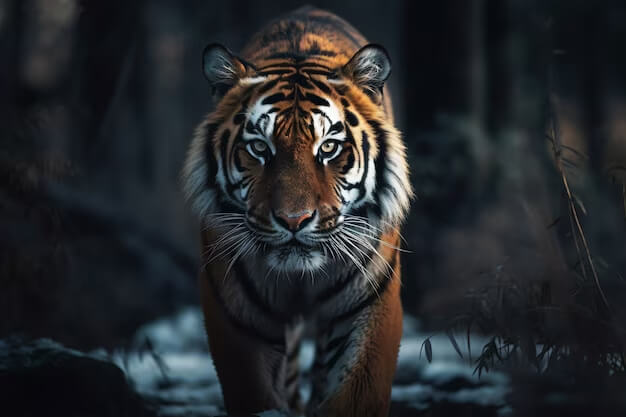
Winter, from mid-November to mid-February, is regarded as the optimal season and prime time for wildlife photography. During this period, nature reveals its ethereal beauty with misty morning sunrises and landscapes adorned in a delicate frosty veil. As the sun rises, the mist blankets the landscape, creating a surreal atmosphere that transforms the surroundings into a dreamy wonderland.
In winter, the dense foliage and abundant water sources in the forest make tiger sightings less frequent and typically limited to moments when they emerge into open areas to mark their territories. However the value of capturing a single photograph in winter light holds the power and impact of ten images taken under the harsh summer light.
Winter days tend to have lower angles of sunlight, creating soft and warm lighting conditions that enhance the natural colors and textures of the wildlife. The light tends to be softer and more diffused compared to the harsh and direct sunlight of summer creating a more pleasing atmosphere for photography.
The real magic of the winter season lies in the exhilarating experience of tiger tracking. Imagine entering the park at the break of dawn, immersing yourself in the mystical ambiance, and carefully observing the signs of the forest. It’s an adrenaline-filled quest to spot the majestic big cat as it patrols its territory in the early morning light. The anticipation and thrill of encountering a tiger in its natural habitat are unparalleled.
Tigers are susceptible to heat and their bodies can quickly become overheated when exposed to hot temperatures. So in the winter season, they benefit from the cooler temperatures, which allows them to cover long distances without the risk of overheating, enabling them to patrol their territories more extensively and efficiently. They tend to remain active for extended periods.
With vast territories to patrol, they often choose to walk on the well-established safari tracks which are typically covered in soft sand and are devoid of thorns, rocks, and dried leaves, offering them a more comfortable path. Walking on these tracks not only offers them comfort, but it also allows them to maintain stealth as they navigate their surroundings looking for potential prey. It contributes to their silent movement, ensuring that their prey remains unaware of their presence.
The winter season, therefore, provides an ideal opportunity to observe and photograph these magnificent creatures as they gracefully tread the safari tracks, blending seamlessly into their environment while pursuing their natural instincts. The winter season also offers a distinct advantage for tracking their movements, as their footprints leave a clear trail on the soft sands of the safari tracks. This combination of factors makes the winter season an ideal time for observing, photographing, and appreciating the true essence of these magnificent tigers in their natural habitat.
While the winter season may bring cold temperatures, the rewards are immense for dedicated wildlife photographers. The misty landscapes, frost-covered scenes, and the possibility of capturing stunning tiger images make it a truly remarkable and cherished time for those passionate about wildlife photography.
However, it’s crucial to be well-prepared for the cold weather, particularly when traveling in open vehicles. Layered clothing, warm jackets, hats, gloves, and sturdy footwear are essential to ensure comfort during the chilly temperatures.
So, gear up, bundle up, and embark on an unforgettable journey through the wintry wilderness in search of incredible moments to be frozen in time.
The Indian Summer, spanning from mid-March to June, is renowned for offering abundant tiger sightings. During this time, temperatures soar, reaching as high as 45-48 degrees Celsius at the peak of summer. As a result, available water sources diminish, compelling animals including tigers to seek relief at the remaining waterholes within the forests. The landscapes are predominantly dry with reduced foliage, which enhances visibility for wildlife observation. However, it’s essential to note that the weather can be extremely hot, with harsh lighting conditions prevailing throughout the day, except for a brief period after sunrise and before sunset. Pre-monsoon rains can be anticipated towards the end of June.
March and April are particularly popular and preferred by many wildlife enthusiasts and tourists, as the climate is relatively more bearable, and tiger sightings are frequent. March and April are prime months for tiger safaris due to the combination of favorable weather conditions, reduced foliage, and increased tiger activity. Many wildlife enthusiasts take advantage of this time to capture memorable encounters with these magnificent felines.
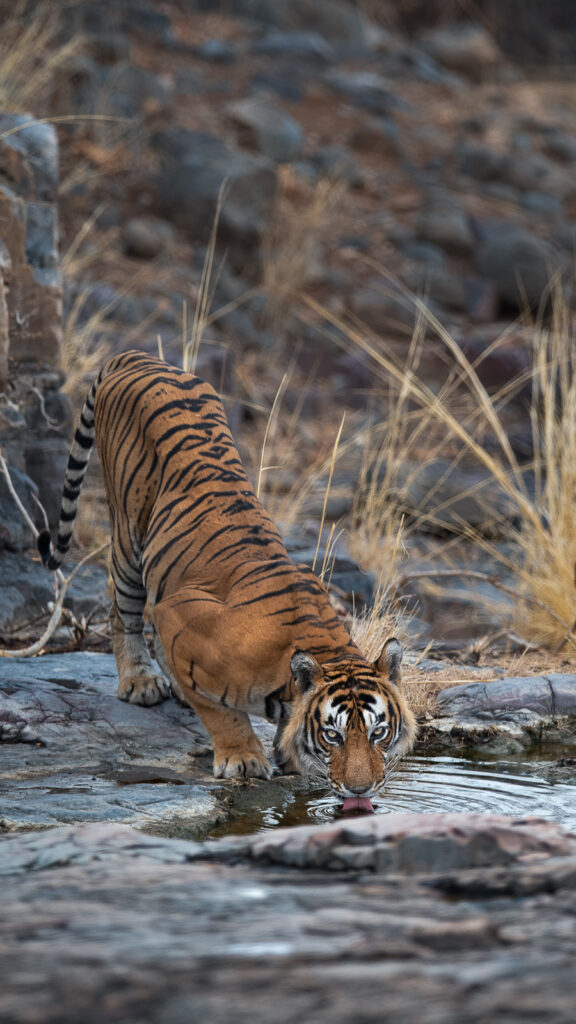
May and June represent the hottest months of the Indian summer, testing the determination of even the most dedicated wildlife enthusiasts. The heat becomes nearly unbearable, not just for humans but also for the tigers themselves. However, this period offers exceptional visibility due to reduced foliage. Tigers often seek refuge near waterholes, where they can be observed sitting in the water, cooling themselves and finding respite from the scorching temperatures. If fortunate, one may encounter a prime waterhole with a family of tigers, where these majestic creatures rest, cool off, bathe, and engage in playful interactions. It becomes a captivating spectacle, capturing tigers in various activities, all within the vicinity of the waterhole.
So the summer season offers the highest likelihood of frequent tiger sightings, with March and April being the optimal months as the heat is tolerable and sightings are common. The months of May and June is an excellent time for spotting the elusive and secretive tigers, especially the male tigers who tend to be more shy and challenging to sight due to their larger territories. It is a time when their shyness takes a back seat to their vital need for water and relief from the soaring temperatures. Towards the end of summer when water sources become limited and there is very little cover for them to hide, they are compelled to visit the remaining water bodies to quench their thirst and find respite from the sweltering heat which brings them into more open areas providing a great opportunity to observe and photograph these normally elusive cats in a more relaxed and open setting.
For first-time visitors, the summer season is highly recommended. Despite the intense heat and harsh lighting conditions, it offers the best opportunity to see and photograph tigers. Since the initial visit is often driven by the desire to see tigers as much as possible, the summer season ensures more chances for memorable encounters and capturing stunning photographs.
However, for those who have already experienced tiger sightings during the summer and have a substantial collection of tiger images, it is advisable to consider visiting during the winter season. While tiger sightings may be less frequent compared to summer, the unique ambiance and environment of winter compensate for the relatively fewer encounters. Winter offers a more dramatic and visually stunning backdrop for tiger photography. The diffused light and the presence of early morning fog provide excellent opportunities for artistic captures, adding a touch of mystique to the images.
In essence, both seasons offer their own distinct charm and photographic opportunities to witness the beauty and power of tigers in their natural habitats. The choice of when to go on a tiger safari ultimately rests on your schedule and individual preferences that suits your availability and personal taste.
safaris
EXPERIENCE OUR HIGHLY PRAISED TIGER SAFARI TOURS
Experience the enchanting wilderness of India with “StripeScape Safaris.” With over two decades of expertise in organizing and leading private guided tiger safari tours, we take you on an unparalleled journey through India’s iconic National Parks. Discover the wonders of Indian wildlife and culture, and let nature’s majesty leave you in awe.
ENQUIRE NOW
ENQUIRE NOW
Which of these captivating tiger safari tours has piqued your interest? Simply fill out the enquiry form below, and we’ll promptly get back to you with the ideal safari package tailored to your preferences.