

Tiger Photography Tips & Gear
Unraveling the Secrets of Capturing Majestic Cats
Welcome to the ultimate guide for capturing the awe-inspiring beauty of tigers in the wild. If you’re passionate about wildlife photography and dream of immortalizing the regal tiger through your lens, this is the perfect resource for you. Tigers hold a special place in the hearts of wildlife enthusiasts and photographers alike. Spotting these elusive creatures in their natural habitat is a challenging yet rewarding experience. And to freeze those extraordinary moments in stunning photographs requires a blend of knowledge, preparation, skill, and a touch of luck.
As the number of tigers dwindles and national parks impose stricter regulations, encountering these magnificent beings becomes an even greater endeavor. However, with careful planning and expertise, the opportunities to witness and capture incredible tiger images can be increased.
We’ll delve into two major aspects of Tiger Photography. The first and foremost aspect is being in the right place, at the right time, and in the best light to capture extraordinary tiger photographs. This crucial step sets the foundation for remarkable images that resonate with viewers.
The second part is the technical and creative aspect, where your skills as a photographer come into play. Understanding the intricacies of your camera, honing your composition techniques, and mastering the art of wildlife photography will elevate your tiger images to new heights. We’ll help you navigate the challenges and nuances of tiger photography, empowering you to create images that evoke wonder and admiration.
Join us on this journey as we explore the world of tiger photography and equip you with the tools to capture breathtaking images that will leave a lasting impression. Get ready to immerse yourself in the world of tiger photography and elevate your craft to new heights. Discover the essence of these regal cats through the lens and uncover the secrets to capturing extraordinary moments that will astonish and inspire. From planning your expedition to mastering the art behind the camera, we will help you unlock the magic of tiger photography. So gear up, embrace the challenge, and let your passion for photography create masterpieces that tell the story of these majestic creatures.
Cracking the Code: Your Path to Perfect Tiger Photography
To help you plan that perfect journey, we’ve compiled essential tips that will elevate your chances of capturing extraordinary tiger images.
Selecting the Ideal Time: When it comes to tiger photography in India, timing is everything. The best months to spot tigers are during the summer season, from March to June. Tigers are more visible during this period, making it easier to capture stunning images. However, the winter months offer their own charm, with lush green forests and better lighting conditions. To delve deeper into each season’s specifics, kindly explore our “When to Go” page located in the footer section of our website.
Choosing the Right Park: India has several national parks and wildlife sanctuaries where you can find tigers. Among the top destinations are Bandhavgarh National Park, Ranthambore National Park, and Jim Corbett National Park, each offering distinct experiences and photographic prospects.
The Power of Experience: Opting for an experienced park guide and photo guide who knows the area can make all the difference. Their expertise and knowledge of the region’s nuances will grant you a competitive edge and open doors to exceptional photographic opportunities.
Book in Advance: To secure prime zones and maximize your chances, it’s crucial to book well in advance. Many parks have limited permits and safaris, so early planning is essential. For instance, Ranthambore opens its bookings a year in advance, while Bandhavgarh and Kanha open four months ahead. Early reservations ensure access to prime zones for the best chances of tiger encounters.
Obtain Special Permits: Maximize your opportunities with special full day permits that offer advantages such as extended time inside the park, access to all zones, and early entry and late exit. Consider special permits that offer extended time, full-day access, or early entry. While these permits may come at a premium, they can significantly enhance your chances of capturing exceptional moments as they grant you the rare opportunity to spend the entire day inside the park, increasing your odds of memorable encounters, especially during winter months when tigers are more active during the day and when tiger cubs are present.
Seek a Skilled Safari Driver: A skilled safari driver can be instrumental in positioning your vehicle for optimal photography. Their ability to track and position the vehicle amidst other safari vehicles can make a significant difference in capturing stunning images.
Understanding Each Park’s Best Time: Each national park has its peak and down seasons for tiger sightings. Understanding the best times for each park and being aware of these cycles will help you plan your trip for the most favorable times when tiger sightings are more likely can result in most fruitful opportunities.
Equip Yourself with the Right Gear: A good DSLR or mirrorless camera paired with a telephoto lens is essential for capturing remarkable tiger images. A focal length of 400-500mm is recommended. Carrying a second camera with a shorter lens can be beneficial when the tiger gets close. The perfect combo for tiger photography consists of a 400mm 2.8 lens and a 70-200mm 2.8 lens. Additionally, a teleconverter, like a 1.4x, can be beneficial for portraits and close-ups especially when you are photographing a tiger mum with her playful cubs.
Understanding wildlife behavior: Understanding tiger behavior is crucial for successful photography. including capturing remarkable tiger shots. Knowing their habits helps you anticipate their movements and locate them effectively. The key to excellent wildlife photography lies in predicting their behavior beforehand. Capture their behaviors whenever possible, like tiger scent marking on trees, as these moments convey their essence.
Become acquainted with your camera: Familiarize yourself with your camera thoroughly. Master its settings and controls so that you can make quick adjustments in the field as required ensuring you don’t miss any incredible moments during your wildlife photography journey. Remember, the best equipment alone doesn’t guarantee outstanding photographs; it’s the photographer’s expertise that truly matters. Knowing your camera’s capabilities and limitations allows you to maximize its potential for capturing stunning images.
Embrace the mantra of “practice makes perfect.” The more you immerse yourself in wildlife photography, the more adept you’ll become at capturing the essence of tigers in their natural habitat. Hone your skills by practicing with various subjects, whether it’s domestic animals, wildlife in a zoo, or any other creatures that catch your interest.
Seek inspiration from captivating tiger images before embarking on your tiger tour. Immerse yourself in the artistry of great tiger photographs, as this will ignite your creative spark when you finally encounter these majestic felines. Drawing from the inspiration of others will enrich your photography journey and elevate your ability to seize breathtaking tiger moments through your lens.
What gear should I bring?
To capture the majestic tigers and wildlife in their natural habitat, it’s important to have the right gear. Here’s a list of essential equipment to bring on your tiger safari:
Camera Body: Opt for a full-frame DSLR or Mirrorless camera that excels in high ISO performance and handles low-light situations effectively. Tigers are most active during the early morning and late evening hours when lighting conditions can be challenging. A camera with excellent low-light capabilities ensures you can capture stunning shots even in dimly lit environments. Based on our experience, we’ve observed that full-frame mirrorless cameras can produce sharp results even with very low shutter speeds, making them an ideal choice for tiger photography.
Carrying 2 camera bodies during a safari is highly recommended. Firstly, it reduces the need to swap lenses in the field, which can expose the camera’s sensor to dust and potentially affect image quality. With 2 camera bodies, you can have different lenses mounted on each, allowing you to quickly switch between focal lengths without risking dust entering the sensor chamber.
Secondly, having a second camera body acts as insurance against any malfunctions or technical issues that may occur with your primary camera. Equipment failures can happen unexpectedly, and having a backup camera ensures that you won’t miss out on capturing those precious moments during the safari.
As your jeep moves through the terrain, tigers may be on the move too. Amidst the presence of several other jeeps, you might have a brief moment to seize the opportunity and click that incredible shot before it vanishes. Unlike staged moments, photographing tigers demands quick reflexes and adaptability as you cannot direct a tiger to pose or smile for the camera. So in the midst of this fast-paced and dynamic scenario, having two camera bodies each equipped with different lenses at your disposal becomes an invaluable asset, providing you with the flexibility to react instantly and ensure that you never miss the opportunity to freeze those remarkable tiger encounters into timeless photographs. With a camera ready for wide-angle shots and another for close-ups, you can maximize your chances of capturing those elusive tiger moments in all their splendor.
Telephoto Lens: The most crucial gear for tiger photography is undoubtedly a telephoto lens. When it comes to capturing these magnificent cats in their natural habitat, the recommended choice is the 400mm 2.8 lens. Its exceptional optical performance shines in low-light conditions, making it ideal for those early morning and late evening encounters with tigers. Moreover, this lens allows you to focus on the tiger while also incorporating its surrounding habitat, creating captivating and immersive images from a safe distance.
In addition to the telephoto lens, another incredibly useful lens to carry on your tiger photography trip is the 70-200mm 2.8 lens. This versatile lens is an absolute must-have companion alongside your telephoto lens. During most tiger sightings, especially when the tigers are on the move, they often come remarkably close to the jeeps. In such dynamic and fast-paced situations, where multiple jeeps are in motion simultaneously, the 70-200mm 2.8 lens proves to be extremely handy. Whether the tiger is in close proximity or at a moderate distance, the 70-200mm 2.8 lens ensures you are well-prepared to seize every precious moment during your tiger safari. Its versatility and speed make it an invaluable tool for capturing a wide range of breathtaking tiger encounters.
Wide-Angle Lens: Although telephoto lenses are essential, having a wide-angle lens (e.g., 24-70mm) can be incredibly valuable for capturing landscape shots and showcasing tigers in their natural habitat. Occasionally, tigers may come so close to your jeep that even a 70-200mm lens won’t be wide enough to capture the entire scene.
Choosing the right lenses depends on your photography goals. Are you looking for a simple memory of your tiger encounter? Or do you desire to capture truly exceptional images? Or perhaps you even plan to use the photographs commercially. Based on your requirements, you can select the appropriate lenses. For a one-time safari holiday, versatile all-purpose lenses like 100-400mm or 200-600mm (ideal if you prefer not to shoot with expensive prime lenses) alongside wide-angle zooms such as 24-105mm or 18-135mm can be a practical choice.
Monopod or Bean Bag: A monopod or bean bag is helpful for stabilizing your camera and lens while shooting from the safari vehicle.
Teleconverter: Consider bringing a teleconverter (e.g., 1.4x) to extend the focal length of your telephoto lens, providing more reach without carrying an extra heavy lens.
Spare Batteries and Memory Cards: Always carry extra fully charged batteries and memory cards to avoid running out of power or storage space during the safari.
Rain Cover: Protect your camera and lens from sudden rain showers with a rain cover designed for your equipment.
Lens Cleaning Kit: Keep your lenses clean from dust and dirt with a lens cleaning kit, including a blower, lens cloth, and cleaning solution.
Camera Bag: Choose a sturdy and comfortable camera bag to carry your gear during the safari.
Tripod (Optional): While tripods may not be practical during safaris, if you plan to do landscape or night photography during your trip, consider bringing a lightweight and compact travel tripod.
At StripeScape Safaris, we believe that planning and preparation are the keys to unlocking unforgettable tiger photography experiences. Our expert team is dedicated to ensuring that you capture exceptional images that reflect the true essence of these majestic big cats. Let us guide you on a mesmerizing journey into the heart of the wilderness and unveil the magic of tiger photography.
safaris
DISCOVER OUT TOP-RANKED TIGER PHOTOGRAPHY TOURS
If you have a passion for photography and love hands-on learning experiences in the field, a photography tour is the perfect choice for you. These tours cater to individuals who are eager to enhance their photography skills and simply enjoy an educational and enriching vacation. Join one of our tiger photography tour for an unforgettable journey, where passion meets expertise, and wildlife moments turn into timeless memories.
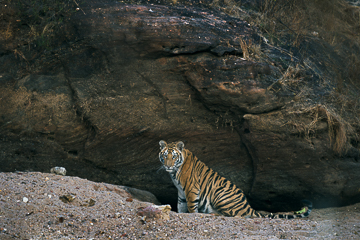
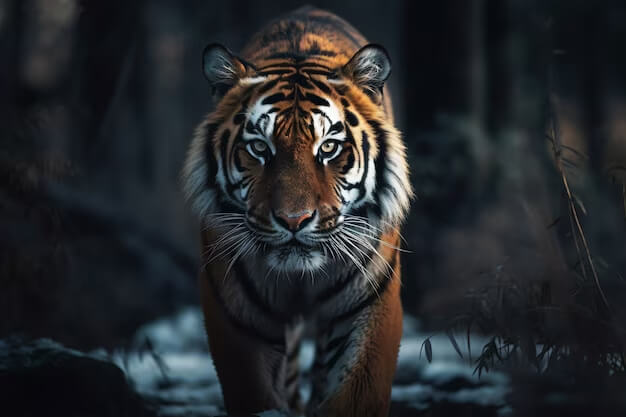
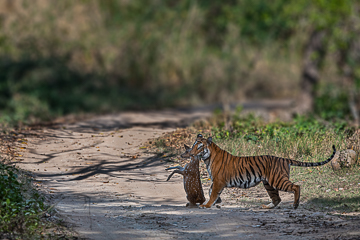
ENQUIRE NOW
ENQUIRE NOW
Get ready for an unforgettable tiger safari tour! Simply fill out the enquiry form below, and we’ll promptly get back to you with the ideal safari package tailored to your preferences.

Tour Leader
About Our Founder and Photo Tour Leader – Nitish Madan
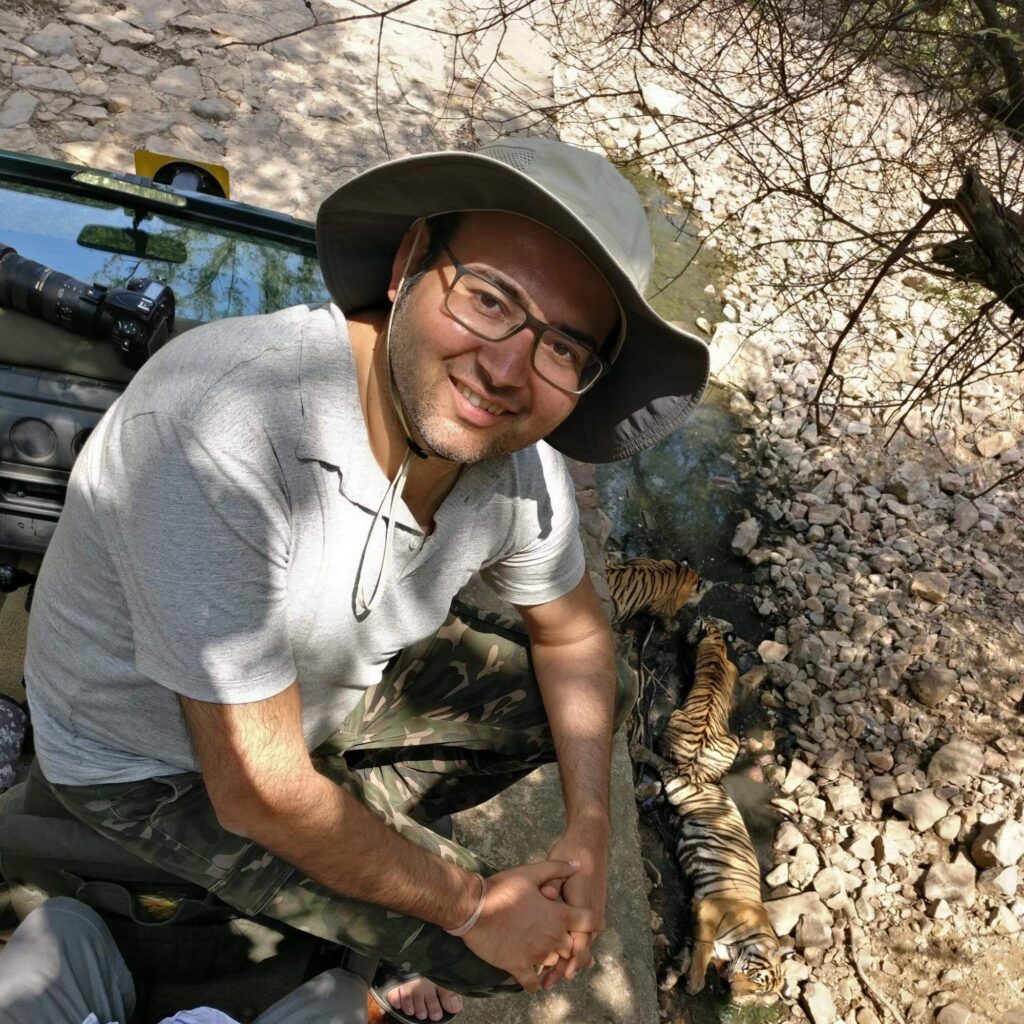
Nitish Madan is a wildlife photographer based in Delhi, India, deeply committed to the cause of wildlife conservation. Specializing in private guided tiger photography tours to India’s renowned national parks, he has nurtured his passion for nature, wildlife, and adventure since 2002. Over the past two decades, Nitish has acquired extensive experience, conducting over 1000 safaris in prestigious tiger reserves across India. This extensive exposure has equipped him with invaluable knowledge, enabling him to select the appropriate lens for specific sightings, optimizing camera settings for wildlife photography, mastering the art of composition, and capitalizing on every shooting opportunity to create diverse images instead of capturing countless similar shots. Additionally, he has gained expertise in post-processing wildlife images using photo editing softwares like Lightroom and Photoshop. Nitish possesses a warm and approachable demeanor as a photo tour leader. His innate patience and calmness allow him to establish a deeper connection with guests and nature. With a focus on maximizing photographic opportunities and imparting valuable photographic and post-processing techniques, he ensures a seamless and profound travel experience for all.